
Stop Wasting Time on Siloed GTM Teams: The Proven Enterprise CRO Efficiency Framework
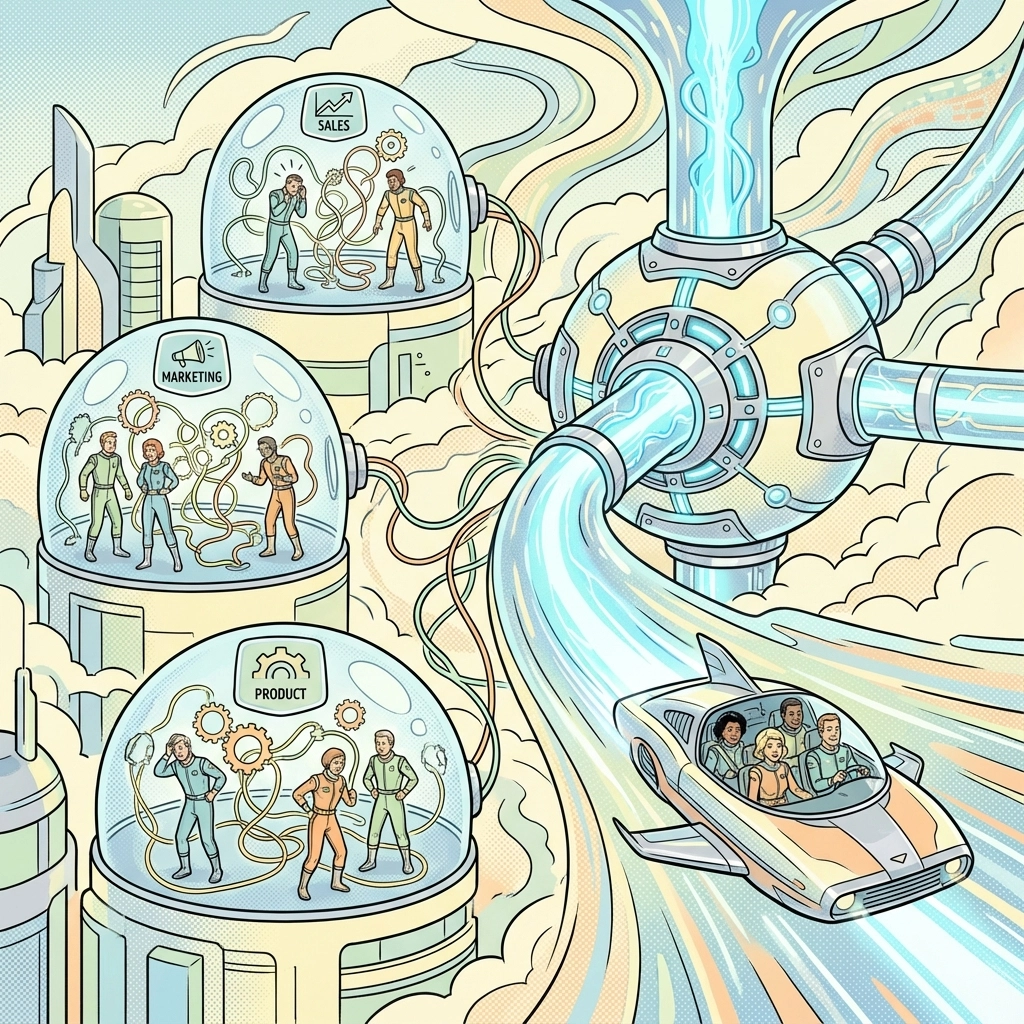
You’re sitting in yet another meeting where marketing blames sales for poor lead quality, sales points fingers at customer success for churn, and everyone’s looking at conflicting dashboards that tell completely different stories. Sound familiar?
If you’re a B2B SaaS leader watching your enterprise GTM teams operate like separate islands, you’re not alone. The dirty secret? Most enterprise organizations are burning millions in revenue potential because their go-to-market teams can’t get their act together.
Here’s what I’ve seen firsthand: companies with $50M+ ARR losing 15-30% of potential revenue growth simply because their marketing, sales, and customer success teams operate in silos. The data doesn’t flow, the handoffs are broken, and visibility is practically non-existent.
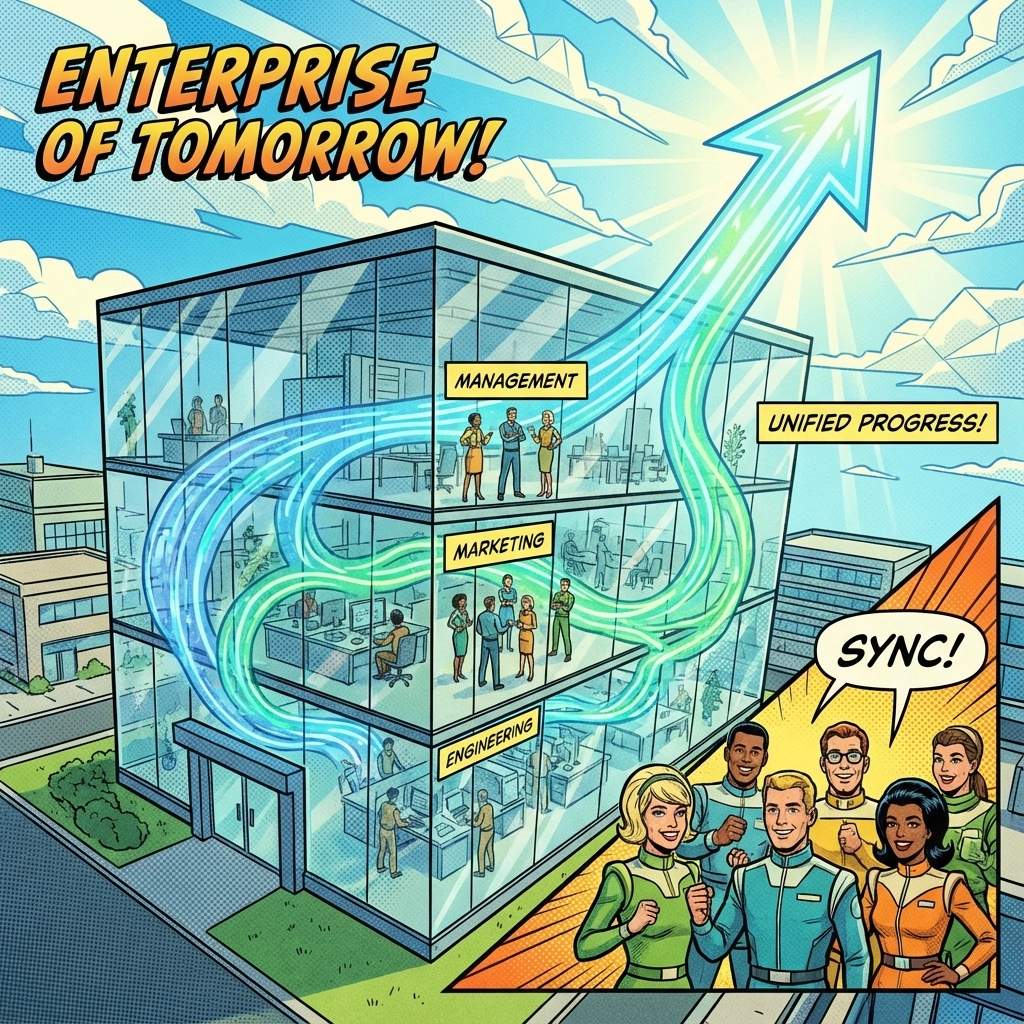
But there’s a better way. And it starts with understanding that enterprise CRO efficiency isn’t about optimizing individual teams: it’s about creating a unified revenue engine.
The Real Cost of Siloed GTM Teams
Let’s cut through the corporate speak and talk numbers. When your enterprise marketing operations team optimizes for MQLs while sales focuses on deal velocity and customer success tracks NPS in isolation, here’s what actually happens:
Data Lag Kills Momentum: Your marketing team discovers a winning campaign message, but it takes 6-8 weeks to filter through to sales enablement and customer onboarding. By then, the window’s closed.
Handoff Chaos: 67% of enterprise deals get stuck in the marketing-to-sales transition because qualification criteria differ between teams. That’s not a small gap: that’s a revenue hemorrhage.
Blind Spot Navigation: Your sales team can’t see which marketing touchpoints actually influenced their biggest deals, so they can’t double down on what works. Meanwhile, marketing keeps throwing budget at tactics that generate leads but don’t convert to revenue.
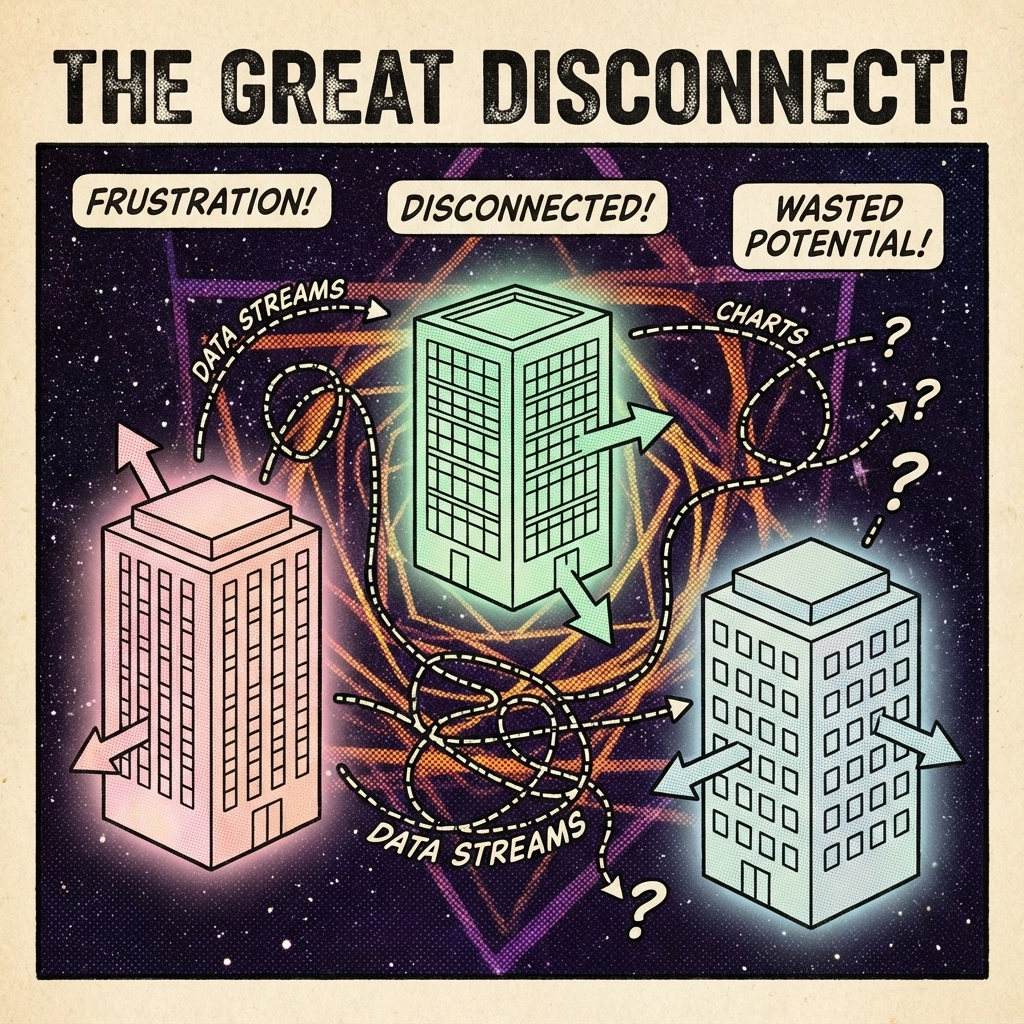
The result? You’re running three separate optimization engines that actively work against each other. It’s like having a Ferrari with the engine, transmission, and wheels all trying to go in different directions.
The Enterprise CRO Efficiency Framework That Changes Everything
Here’s the framework that high-performing enterprise revops teams use to break down silos and create a unified revenue engine. I call it the Integrated Revenue Acceleration (IRA) Framework, and it’s built on three core pillars:
Pillar 1: Unified Data Architecture
Stop accepting “good enough” data integration. Your marketing analytics AI should feed the same attribution models that sales uses for pipeline forecasting and customer success relies on for expansion opportunities.
What this looks like in practice:
- Single source of truth for customer journey data
- Shared definitions for lead scoring, opportunity stages, and health metrics
- Real-time data synchronization across all GTM tools
- AI-powered attribution that tracks influence across the entire customer lifecycle
Pillar 2: Cross-Functional Optimization Governance
This isn’t about more meetings: it’s about smarter coordination. High-velocity enterprise GTM teams run 5-8 parallel experiments across channels while maintaining strict governance to prevent interference.
The governance structure includes:
- Shared sprint cycles across all GTM teams
- Standardized A/B testing protocols with collision detection
- ICE framework (Impact, Confidence, Ease) for experiment prioritization
- Automated win syndication across all revenue channels
Pillar 3: AI-Powered Revenue Orchestration
Here’s where AI revenue operations becomes your competitive advantage. Instead of manual handoffs and reactive optimization, AI orchestrates your entire revenue engine based on real-time signals.
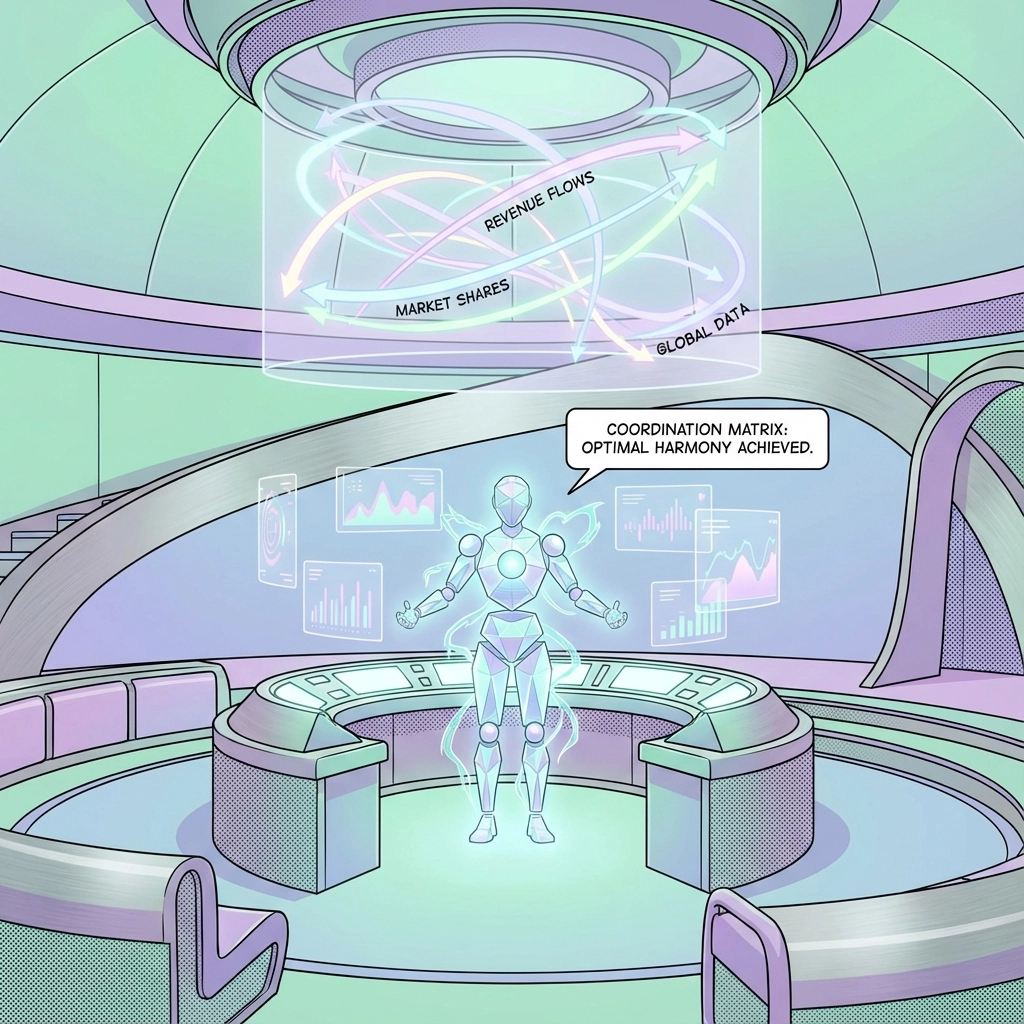
AI orchestration handles:
- Dynamic lead routing based on propensity scoring
- Automated campaign optimization across paid, owned, and earned channels
- Predictive churn prevention with automated intervention triggers
- Revenue forecasting that accounts for cross-functional impact
Implementing the Framework: Your 90-Day Roadmap
Days 1-30: Foundation Phase
Week 1-2: Data Audit and Integration Planning
Start with a comprehensive audit of your current data flows. Map every touchpoint from first marketing interaction through customer expansion. You’ll probably discover 3-5 critical gaps where data gets lost in translation.
Week 3-4: Governance Structure Setup
Establish your cross-functional optimization committee. This isn’t a bureaucratic layer: it’s your coordination center. Include representatives from marketing operations, sales operations, and customer success operations with decision-making authority.
Days 31-60: Integration Phase
Month 2: Unified Attribution Implementation
Deploy marketing ops automation that tracks customer journey influence across all touchpoints. This is where most companies get stuck because they try to boil the ocean. Start with your top 3 conversion events and expand from there.
Critical success factors:
- Implement event-based tracking across all GTM tools
- Calculate Minimum Detectable Effect (MDE) for your key metrics
- Set up automated collision detection for concurrent tests
Days 61-90: Optimization Phase
Month 3: AI-Powered Orchestration
Now you’re ready for the advanced stuff. Deploy AI in marketing ops that automatically optimizes budget allocation, lead routing, and campaign messaging based on unified performance data.
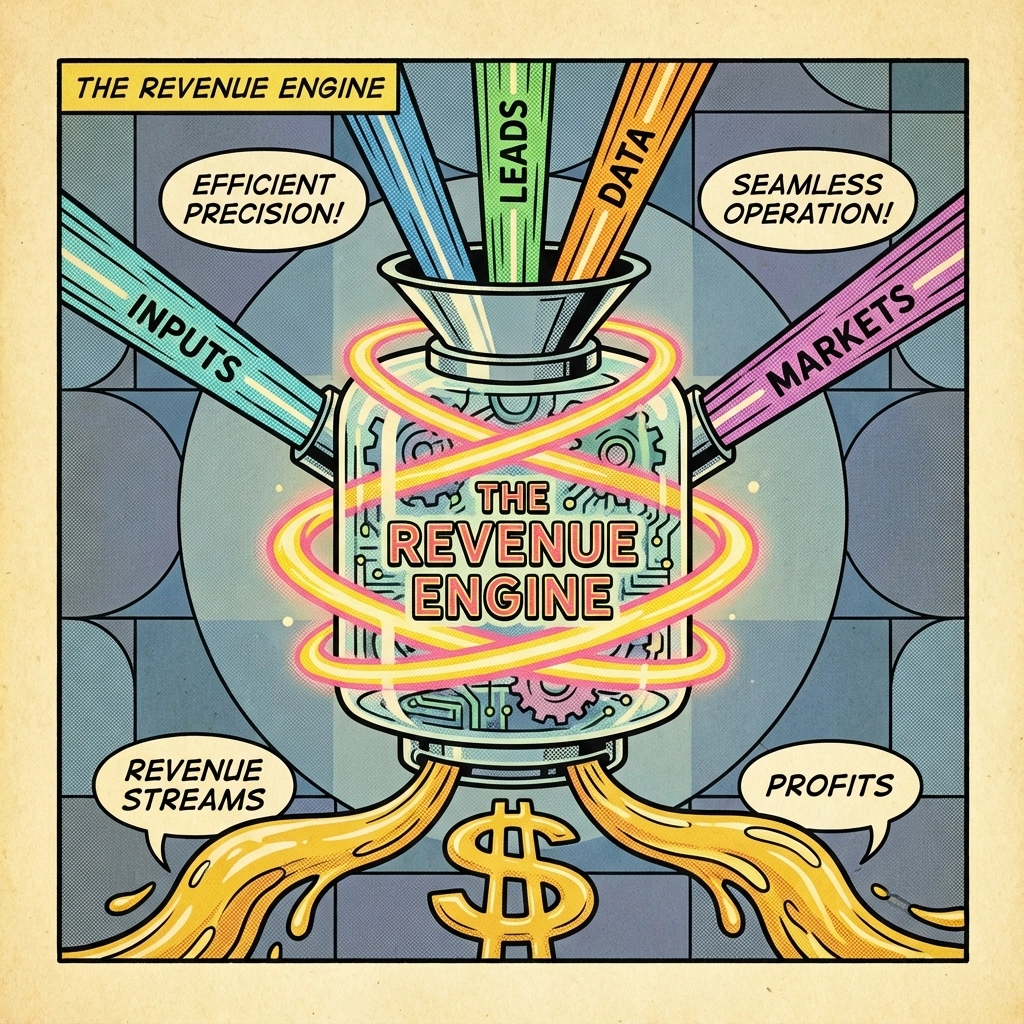
The magic happens when your AI can see that a specific marketing channel delivers higher LTV customers, so it automatically shifts budget allocation while simultaneously updating sales coaching priorities and customer success onboarding sequences.
The Results: What Changes When You Get This Right
Companies that successfully implement this enterprise CRO efficiency framework see measurable results within 90 days:
Faster GTM Cycles: Average time from campaign launch to revenue impact drops by 40-60% because optimization insights spread across all channels simultaneously.
Better Retention: When customer success teams can see which acquisition channels deliver higher retention rates, they can proactively adjust onboarding and support strategies. Result: 15-25% improvement in 12-month retention.
Smarter Growth: B2B SaaS marketing automation becomes truly intelligent when it optimizes for customer lifetime value instead of just conversion volume. Teams see 20-30% improvement in CAC payback periods.
But here’s the real kicker: you stop playing defense. Instead of constantly fighting fires created by misaligned teams, you’re proactively identifying and scaling what works across your entire revenue engine.
Your Next Move
The framework works, but implementation is everything. Most enterprise teams try to DIY this transformation and end up with a sophisticated-looking dashboard that doesn’t actually connect their GTM operations.
If you’re serious about building a unified revenue engine that eliminates silos and accelerates growth, you need partners who’ve done this before. At FusedLabs, we’ve helped dozens of enterprise B2B SaaS companies implement exactly this framework.
The question isn’t whether you can afford to invest in enterprise marketing operations transformation. The question is: can you afford to keep losing 15-30% of your growth potential to siloed teams?
Book a RevOps AI readiness audit and let’s map out exactly how the Integrated Revenue Acceleration Framework would work for your specific GTM stack. Because the companies that figure this out first aren’t just growing faster: they’re building competitive moats that take years for competitors to replicate.
Stop accepting “good enough” coordination between your GTM teams. Your revenue engine deserves better.

